Pixels and compression
Comparison of JPEG compression blocks between the damaged area and the rest of the image, sensor noise uniformity check, detection of splicing, cloning and sharpness mismatches.
Real project · Cosmos Wave agency, Amazon Verified Partner · WavePix module
Every claim with photos is examined like a piece of evidence: forensic image authentication, and a packaging audit to tell a real breakage from a staged one.
A claim is often decided on gut feeling. Too much suspicion, and you lose an honest customer. Too much trust, and you refund edited photos, staged damage or AI-generated images. Either way, the real cause of the damage stays unexplained, and the returns keep repeating.
A claim isn't just a dispute to settle, it's information. Every analysis produces three results: a reasoned decision, a ready-to-send customer reply, and a recommendation so the problem doesn't happen again.
Comparison of JPEG compression blocks between the damaged area and the rest of the image, sensor noise uniformity check, detection of splicing, cloning and sharpness mismatches.
Detection of overly smooth textures, distorted labels, barcodes and logos, anomalies on hands, and background transitions typical of generated images.
Beaded droplets on the tape signal an outside spray: an internal leak soaks into the box, it doesn't bead on the tape. This clue strongly raises the score. Also checks for inside/outside contradictions and the direction of drips.
The direction and hardness of the light, cast shadows and reflections must match between the product, the box and the floor.
A blurry photo, taken at night or in low resolution: the score stays moderate so as not to penalize an honest customer. When in doubt, the tool recommends asking for more details, without accusing.
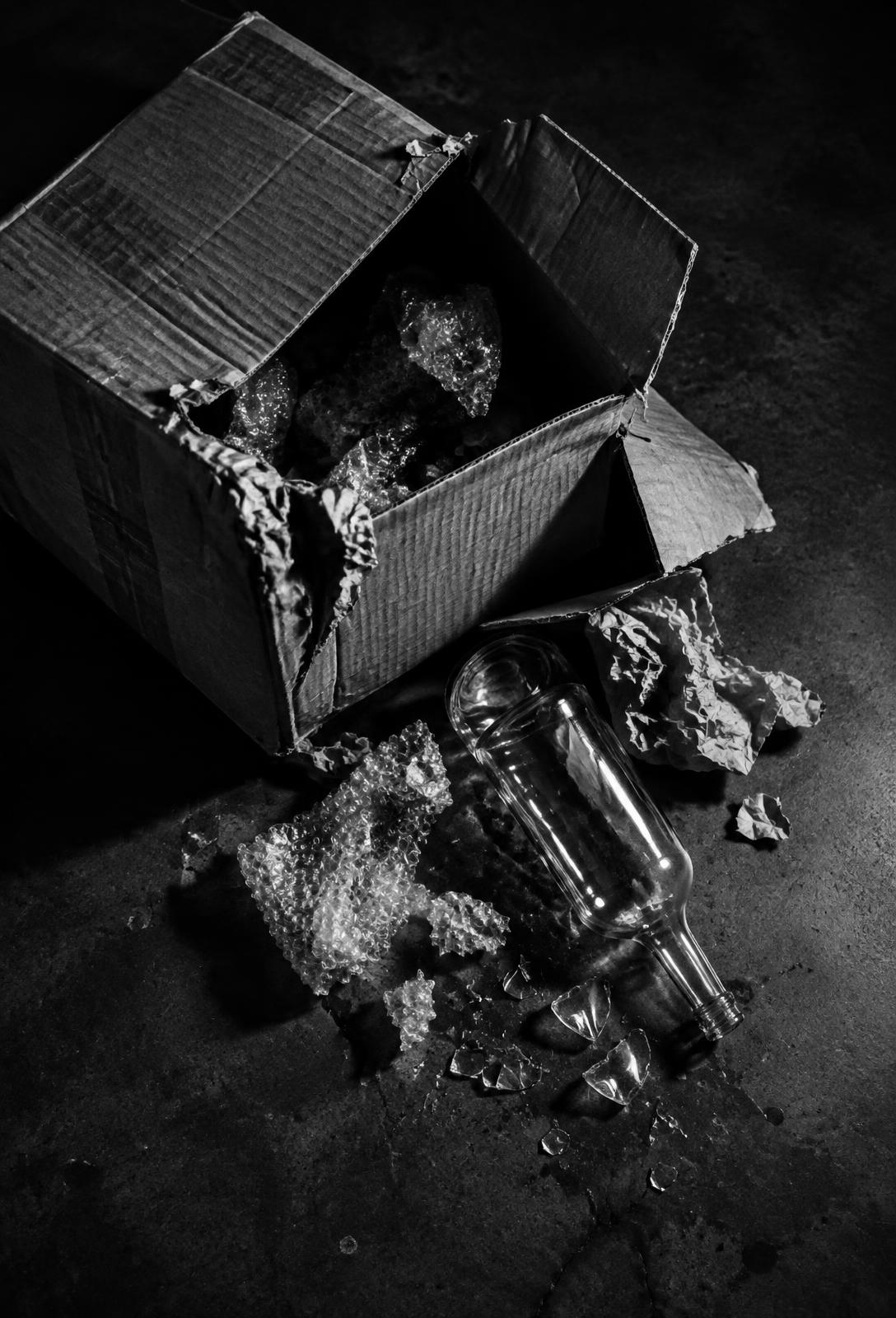
Claim for contents that were open and spilled in the box. Both of the customer's statements are confirmed by the photos. The images are judged authentic: a suspicion score of 5 out of 100. The packaging analysis reveals a lack of internal cushioning and suggests three corrections, two of them low or very low cost for a high impact.
Only refund valid claims, without penalizing honest customers.
Reply fast, with a reasoned and consistent response.
Spot edited photos, AI-generated images or staged damage before refunding.
Handle every claim with the same method, regardless of who receives it.
Fix the packaging at the source to reduce future returns.
Every well-analyzed claim prevents the next one.
The same tool protects the margin and the customer relationship. The difference lies in the scoping: don't stop at the decision, trace it back to the cause.
Lovable, Supabase, analysis Edge Function, AI vision model, PDF export.
Your role. Your business problem. Your current workflow.
Working remotely across France, Belgium, Switzerland, Luxembourg, Quebec, North Africa and West Africa, in French, English and Arabic.
me@karimmesloub.com